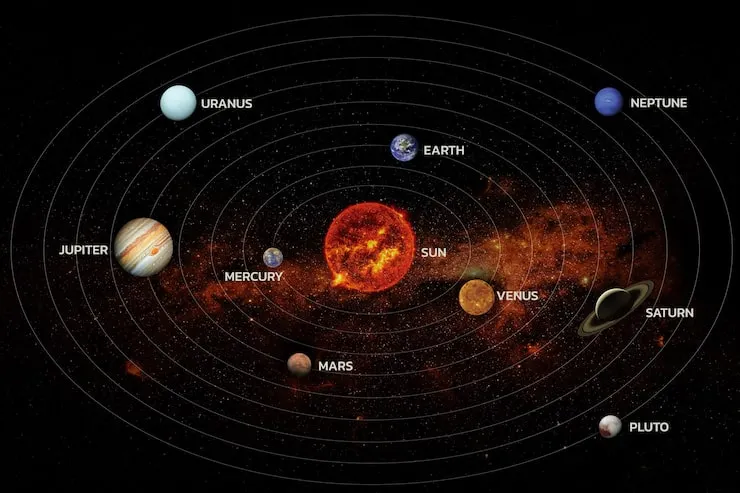

There are eight official planets in the Solar System. They are divided into two main groups:
Inner planets:
Mercury, Venus, Earth, and Mars.
Outer planets:
Jupiter, Saturn, Uranus, and Neptune.
The inner planets are smaller, rocky worlds. They have solid surfaces and orbit relatively close to the Sun. The outer planets are much larger. Jupiter and Saturn are gas giants, made mostly of hydrogen and helium. Uranus and Neptune are ice giants, containing heavier materials such as water, ammonia, and methane in addition to hydrogen and helium.
This gives the Solar System a clear structure. Small rocky planets near the Sun and huge giant planets farther out. Then beyond Neptune, the Solar System becomes stranger, colder, and full of icy objects, including Pluto.
A simple way to remember the order of the planets from the Sun is this is:
My Very Educated Mother Just Served Us Noodles.
That gives you:
Mercury, Venus, Earth, Mars, Jupiter, Saturn, Uranus, Neptune.
Older versions of this memory trick ended with “Nine Pizzas” instead of “Noodles” because Pluto was included in the list. But since Pluto is now classed as a dwarf planet, the pizza has been removed from the Solar System menu. Tragic, but scientifically necessary.
The Closest Planet to the Sun
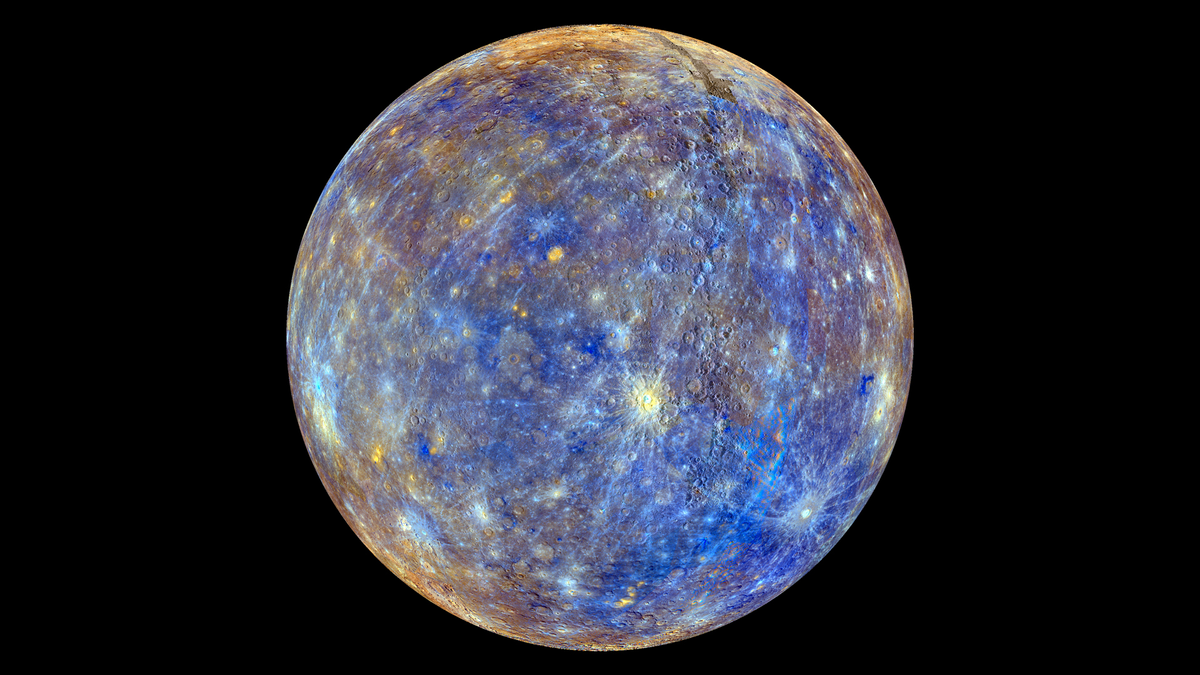
Mercury is the closest planet to the Sun and the smallest official planet in the Solar System. Because it is so close to the Sun, many people assume Mercury must be the hottest planet. Surprisingly, it is not. That title belongs to Venus. Mercury has almost no atmosphere to trap heat. This means temperatures can swing wildly between day and night. The side facing the Sun can become extremely hot, while the night side can become freezing cold.
Mercury is a rocky planet covered in craters, making it look a little like Earth’s Moon. Its surface has been battered by impacts for billions of years. It also has the shortest year of any planet. Mercury completes one orbit around the Sun in just 88 Earth days. So if you lived on Mercury, birthdays would come around very quickly. Unfortunately, the extreme temperatures and lack of breathable atmosphere would make the party quite short.
The Hottest Planet
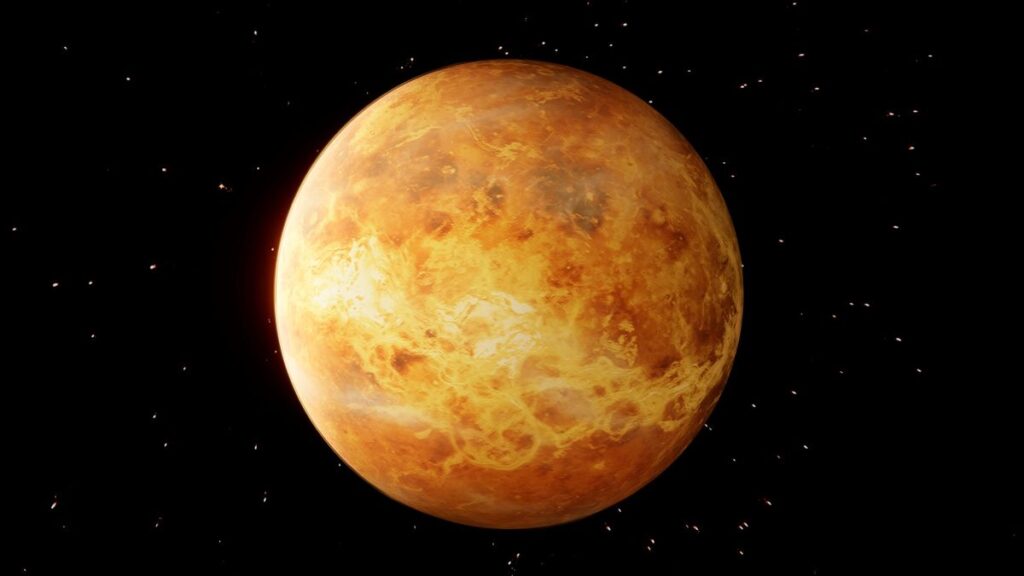
Venus is the second planet from the Sun and the hottest planet in the Solar System. This is because Venus has an incredibly thick atmosphere filled mostly with carbon dioxide. That atmosphere traps heat through an extreme greenhouse effect, making the surface hotter than Mercury, even though Venus is farther from the Sun.
Venus is often called Earth’s twin because it is similar in size and structure. But that nickname is a little misleading. Earth has oceans, breathable air, and life. Venus has crushing pressure, toxic clouds, and surface temperatures hot enough to melt lead. So yes, technically a twin. Just the kind that ruins Christmas dinner. Venus also rotates very slowly and in the opposite direction to most planets. On Venus, the Sun would rise in the west and set in the east. It is one of the most hostile worlds in the Solar System, but also one of the most scientifically important because it shows how dramatically a planet’s climate can change.
Our Home Planet
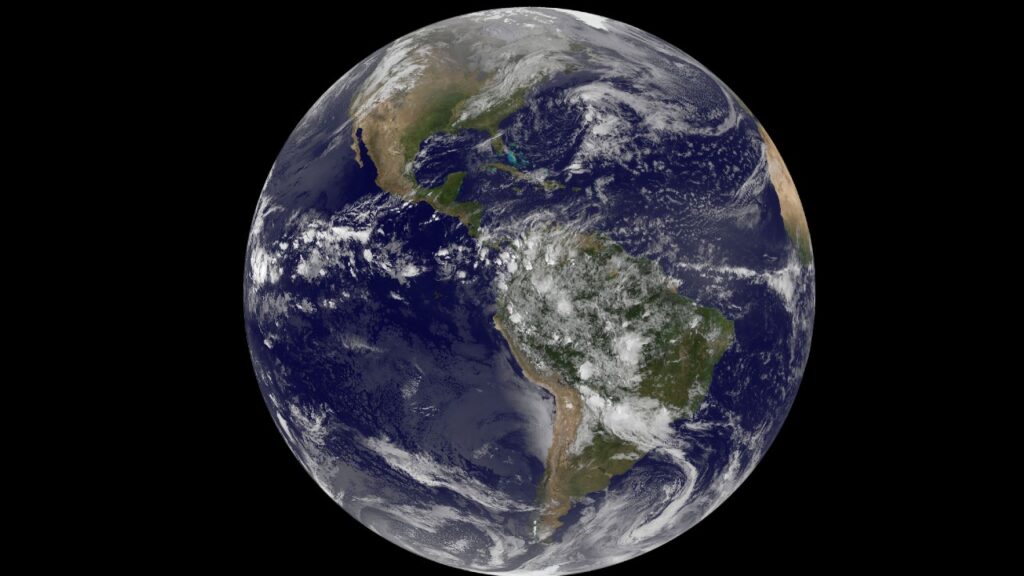
Earth is the third planet from the Sun and the only known world with life. It has liquid water on the surface, a breathable atmosphere, a protective magnetic field, and stable conditions that have allowed life to evolve for billions of years.
Earth is not the biggest planet, the hottest planet, or the fastest planet. But it is the one that matters most to us, mainly because everyone reading this is currently stuck on it. Earth’s atmosphere protects life from harmful radiation and helps regulate temperature. Its oceans cover most of the surface and play a major role in climate and weather.
Earth also has one large natural satellite: the Moon. The Moon helps create tides and may help stabilize Earth’s axial tilt, which keeps our seasons relatively stable over long periods of time. From space, Earth looks like a blue and white marble. But scientifically, it is one of the most extraordinary planets we know of. Not because it is rare in size. But because it is alive.
The Red Planet
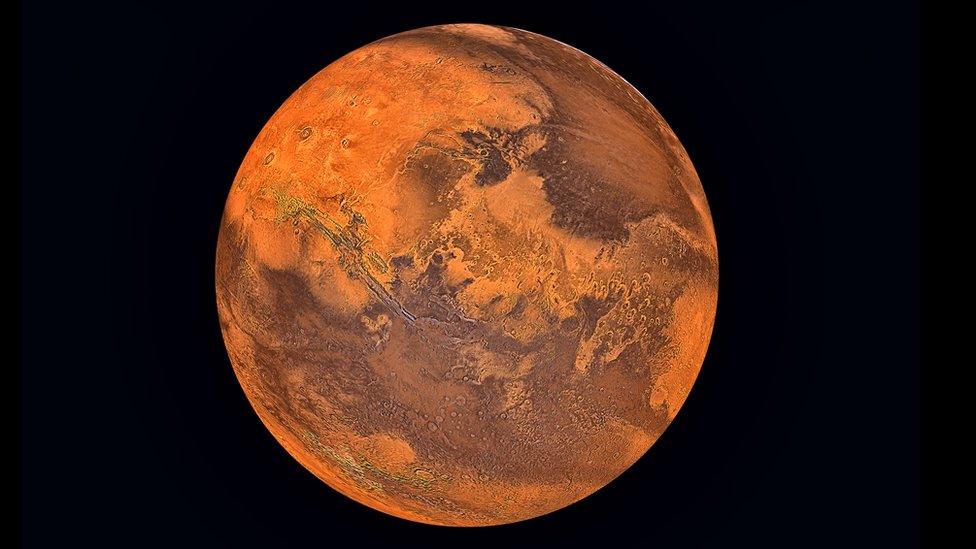
Mars is the fourth planet from the Sun and one of the most studied worlds in the Solar System. It is often called the Red Planet because iron-rich dust on its surface gives it a reddish colour.Mars is cold, dry, and dusty today, but evidence suggests it was once much wetter. Ancient river valleys, dried lake beds, minerals, and surface features all point to a past where liquid water existed on Mars.
That makes Mars one of the best places to search for evidence of ancient microbial life. Mars also has the tallest volcano in the Solar System, Olympus Mons, and a gigantic canyon system called Valles Marineris. The planet has two small moons, Phobos and Deimos. They are irregularly shaped and may be captured asteroids, although their exact origin is still debated.
Mars is also the main target for future human exploration. If humans ever become a multi-planet species, Mars is the obvious first chapter. Not because it is comfortable. Because it is close enough to be possible and terrible enough to be interesting.
The Largest Planet
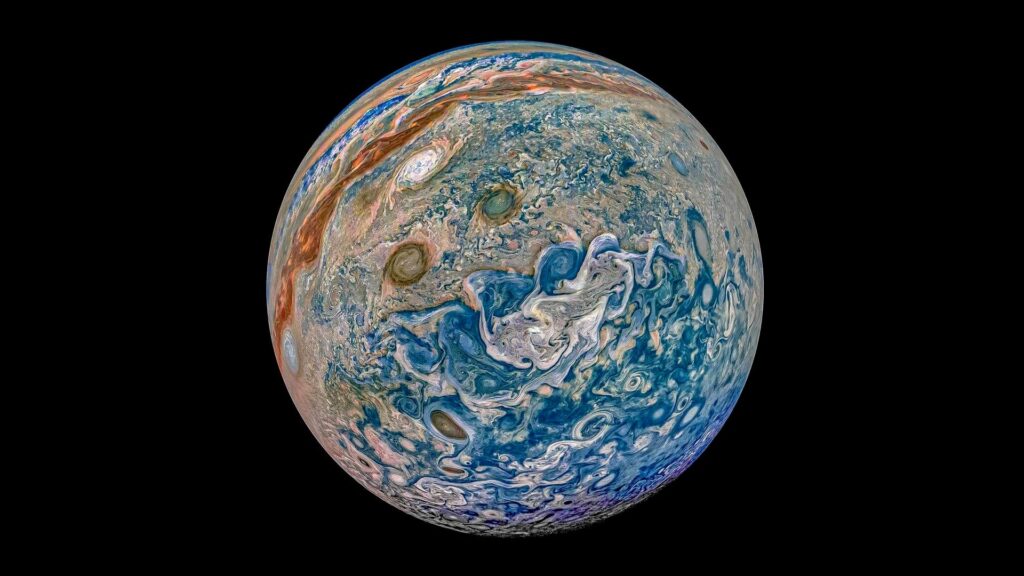
Jupiter is the fifth planet from the Sun and the largest planet in the Solar System. It is so massive that it contains more than twice the mass of all the other planets combined.
Jupiter is a gas giant, made mostly of hydrogen and helium. It does not have a solid surface like Earth or Mars. Instead, its atmosphere gets denser and more extreme the deeper you go. One of Jupiter’s most famous features is the Great Red Spot, a gigantic storm that has been observed for centuries. This storm is larger than Earth, although it has been shrinking over time.
Jupiter also has a huge magnetic field and many moons. Some of those moons are among the most fascinating worlds in the Solar System. Europa may have a global ocean beneath its icy surface. Ganymede is the largest moon in the Solar System. Io is the most volcanically active world we know of. Callisto is ancient, heavily cratered, and mysterious. Jupiter is not just a planet. It is almost like a miniature Solar System. A massive world surrounded by moons, storms, radiation, and mysteries.
The Planet With Rings
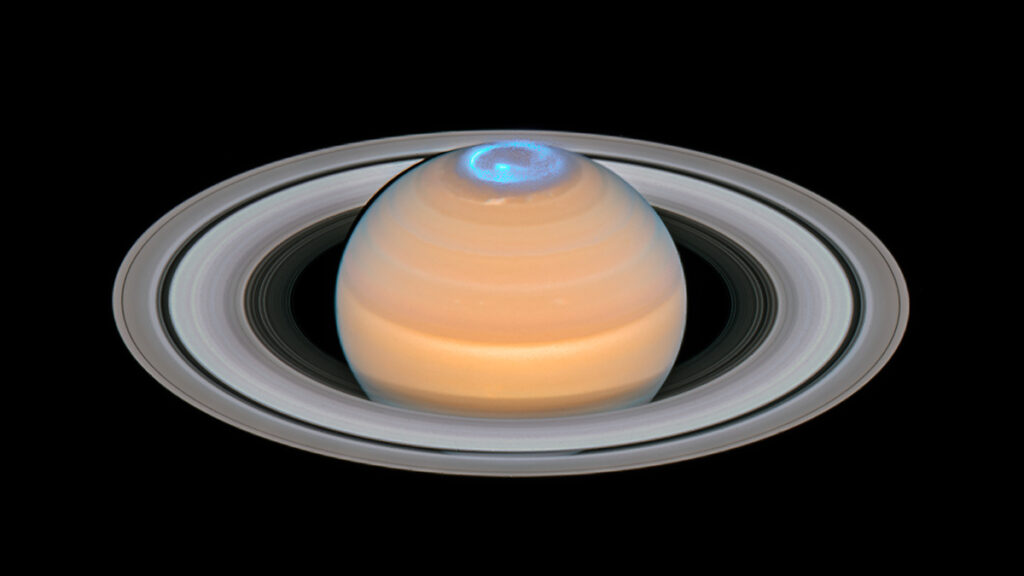
Saturn is the sixth planet from the Sun and the second-largest planet in the Solar System. It is best known for its spectacular ring system. Saturn is not the only planet with rings, but its rings are by far the most famous and visually impressive. They are made mostly of countless pieces of ice and rock, ranging from tiny grains to large chunks.
Saturn is also a gas giant, like Jupiter. It is made mostly of hydrogen and helium and has no solid surface in the normal Earth-like sense. One strange fact about Saturn is that it is less dense than water. If you could somehow find a bathtub large enough, Saturn would float. Obviously, the bathtub would need to be larger than a planet, which slightly complicates the plumbing.
Saturn also has many moons, including Titan, one of the most interesting moons in the Solar System. Titan has a thick atmosphere, lakes and rivers of liquid methane and ethane, and complex chemistry. It is one of the most Earth-like worlds in some ways, even though it is freezing cold and completely alien
The Sideways Planet
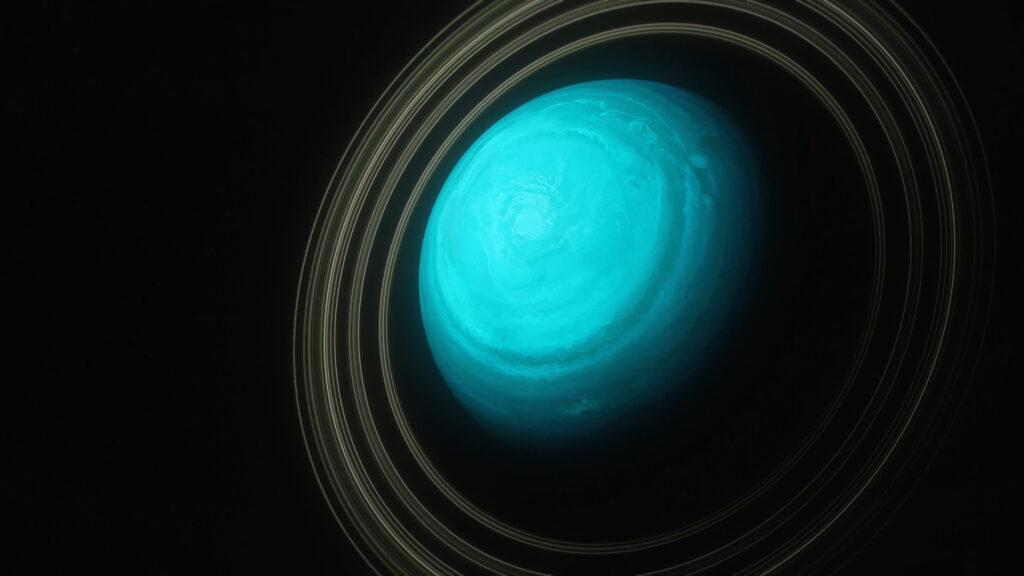
Uranus is the seventh planet from the Sun and one of the strangest planets in the Solar System. It is an ice giant, meaning it contains heavier materials than Jupiter and Saturn, including water, ammonia, and methane. Methane in its atmosphere helps give Uranus its pale blue-green colour.
The weirdest thing about Uranus is its tilt. Uranus rotates almost on its side. Its axis is tilted by about 98 degrees, which means it essentially rolls around the Sun like a cosmic barrel. Scientists think this may have been caused by a massive impact early in the planet’s history. Because of this extreme tilt, Uranus has very unusual seasons. Each pole can spend decades in sunlight followed by decades in darkness.
Uranus also has rings and moons, although they are much less famous than Saturn’s. It is often overlooked because it appears calm and featureless compared with Jupiter or Saturn. But that calm appearance hides a very strange world. Uranus is not boring. It is just quietly weird.
The Farthest Official Planet
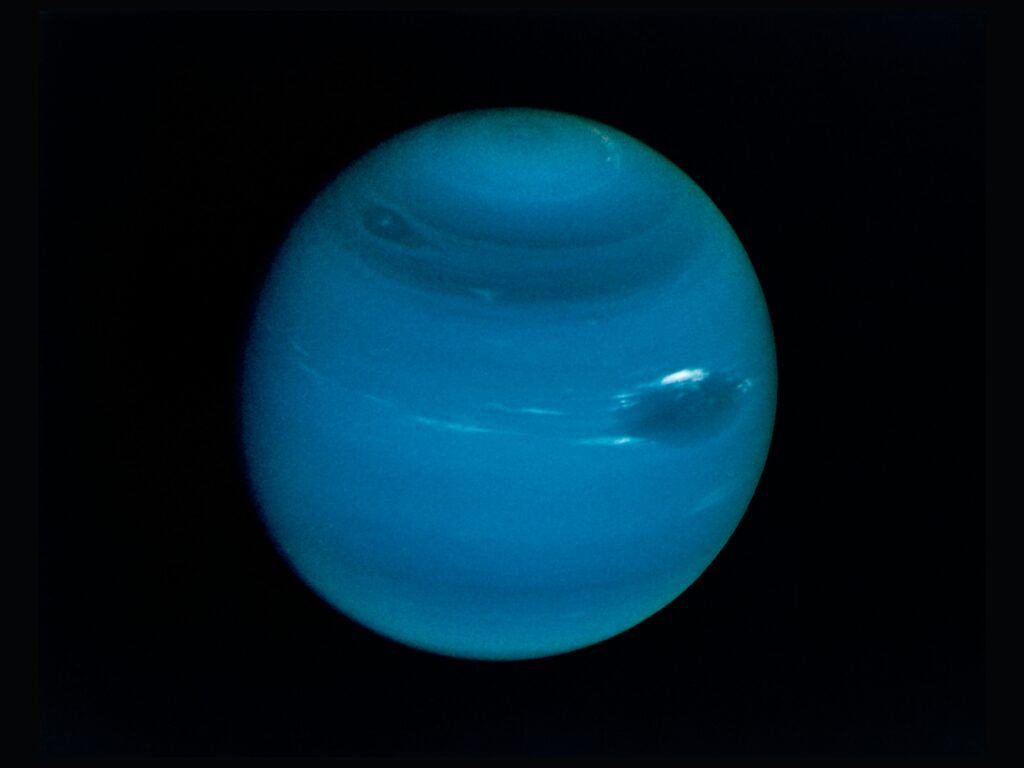
Neptune is the eighth and farthest official planet from the Sun. It is another ice giant, similar in size and composition to Uranus, but it appears deeper blue. Neptune is famous for its powerful winds, some of the fastest measured in the Solar System.
Because Neptune is so far from the Sun, it receives very little sunlight. It is cold, dark, and distant. Neptune takes about 165 Earth years to complete one orbit around the Sun. That means one Neptunian year is longer than a human lifetime. Neptune also has a large moon called Triton. Triton is especially interesting because it orbits Neptune in the opposite direction to the planet’s rotation. This suggests Triton may once have been an independent object that Neptune captured.
Triton is icy, geologically active, and may have a subsurface ocean. So even at the far edge of the official planet list, the Solar System is still not done being strange.
Why Is Pluto No Longer a Planet?
Pluto was discovered in 1930 and was considered the ninth planet for many decades. But as astronomers discovered more icy objects beyond Neptune, they realised Pluto was not alone. It was part of a larger region called the Kuiper Belt.
The Kuiper Belt contains many small icy bodies orbiting beyond Neptune. Some of them are similar to Pluto and this created a problem. If Pluto was a planet, should some of these other objects also be planets?
In 2006, the International Astronomical Union created a formal definition of a planet. According to this definition, a planet must:
- Orbit the Sun
- Be massive enough to be rounded by its own gravity
- Have cleared its orbital neighbourhood
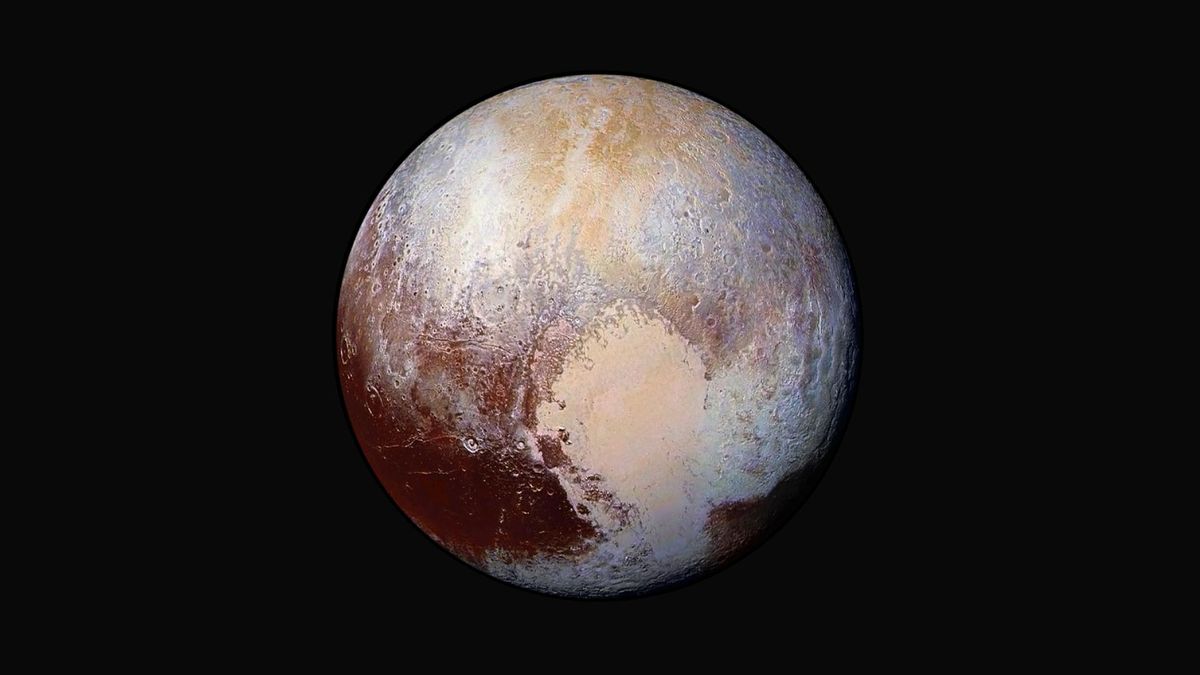
Pluto meets the first two conditions, but not the third. It orbits the Sun. It is round. But it has not cleared its orbital neighborhood because it shares its region with many other Kuiper Belt objects. That is why Pluto is now classified as a dwarf planet. But this does not mean Pluto is boring or unimportant.
Actually, Pluto turned out to be far more fascinating than many people expected. When NASA’s New Horizons spacecraft flew past Pluto in 2015, it revealed mountains of ice, smooth plains, possible cryovolcanic features, and a surprisingly complex world. Pluto may not be an official planet anymore. But it is absolutely still one of the most interesting objects in the Solar System.
Demoted, yes.
Forgotten, no.
Are There More Planets We Have Not Found Yet?
This is one of the most interesting questions in astronomy. There may be another large planet hidden far beyond Neptune. This hypothetical world is often called Planet Nine. Some scientists have suggested that unusual orbits of distant objects in the outer Solar System could be explained by the gravity of a large, undiscovered planet.
But Planet Nine has not been directly observed. That means it remains hypothetical. It might exist. It might not.
Astronomy is annoying like that. Sometimes the universe leaves clues everywhere and then refuses to answer the door. For now, the official number of planets in the Solar System remains eight. If astronomers ever discover and confirm another true planet beyond Neptune, that number could change.